IS BRAZILIAN JIU-JITSU SAFE FOR CHILDREN?
Safety, supervision and responsible training
One of the most common concerns parents have is whether BJJ is dangerous. Like any physical activity, safety depends heavily on coaching quality, training structure and supervision. As there is no striking in BJJ, the risk of bruising and injury is mitigated.
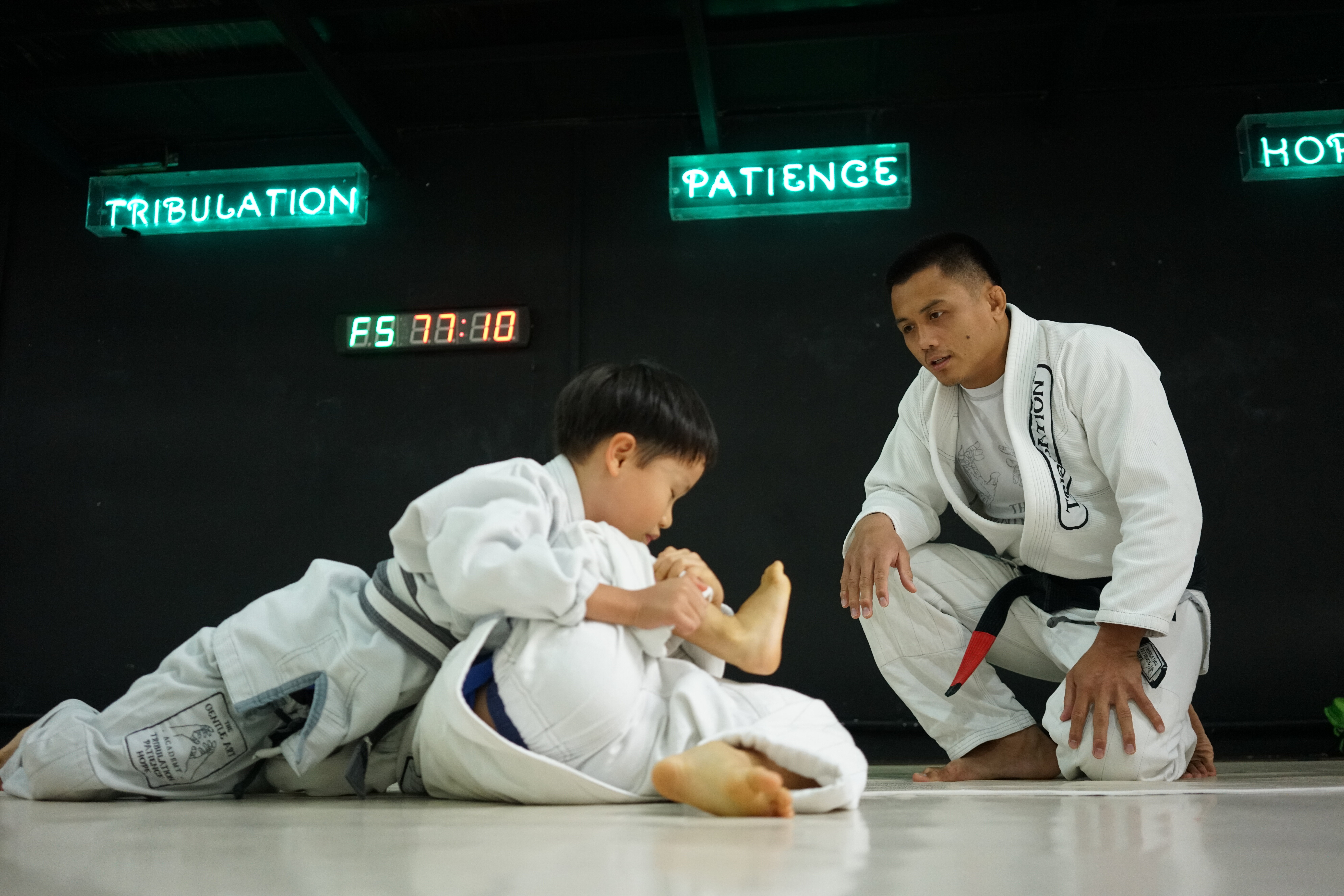
Since 2014 we have trained over a thousand students and with our extensive experience, safety is one of our highest priorities. Students learn that techniques should only be applied during supervised training, appropriate competition or a genuine self-defence situation. Coaches actively monitor training and step in before positions become unsafe. Strong coach-to-student ratios ensure children receive guidance and support.
BJJ teaches control, respect and technical understanding rather than aggression. We will always step in to regulate a student's emotions and have them focus on proper technical application rather than trying to win with strength or power alone.
HOW CHILDREN ARE PAIRED FOR SPARRING
As the coaches take the time to get to know each student and their abilities, children are paired carefully by age, size, technical ability and experience. Every student develops at their own pace. Appropriate pairing helps children practise successfully, build confidence, avoid feeling overwhelmed and develop strong training relationships. A good training partner is an important part of learning Brazilian Jiu-Jitsu.
WHAT IF MY CHILD IS SHY OR NERVOUS?
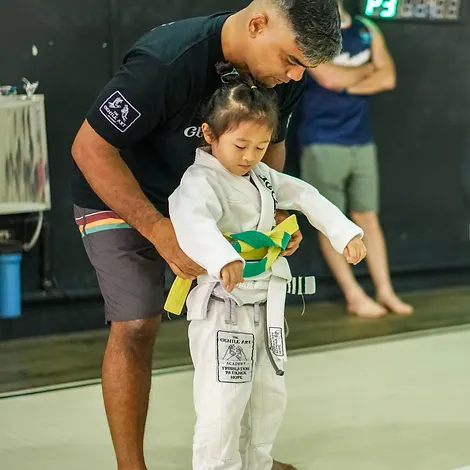
It is completely normal for children to feel nervous when starting a new activity. Our coaches use positive encouragement, patient coaching and supportive training partners to help them settle in gradually. Since establishing TGA, we have taught thousands of students. Many children who initially feel shy become enthusiastic participants once they feel comfortable and supported.